The Numbers Don’t Speak for Themselves
This week we are going to learn about the the multiple layers of context that are important to consider when working with any set of data.
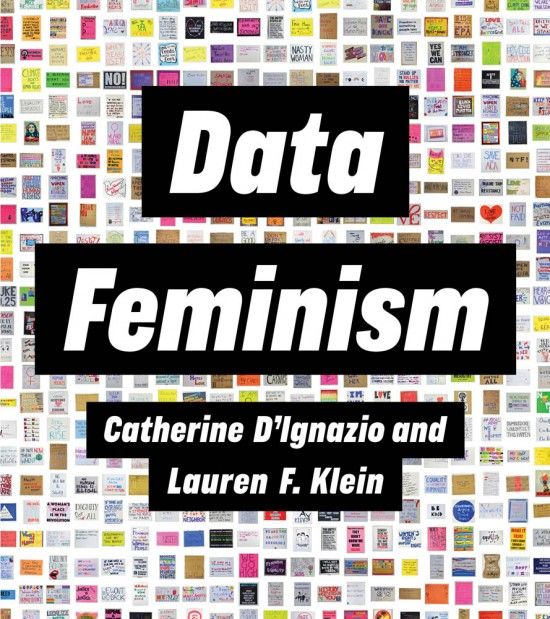
Required Reading: The Numbers Don’t Speak for Themselves
Data are not neutral or objective. They are the products of unequal social relations, and this context is essential for conducting accurate, ethical analysis.
Discussion Questions
We will use these questions to frame our discussion of this chapter:
Which actors in the data ecosystem are responsible for providing context? End users? Data publishers? Data intermediaries?
What steps can we take to ensure context is considered?
How can we more effectively present context through data visualization?
What are your thoughts on how we label graphs with context?
Which power imbalances have led to silences in the dataset or data that is missing altogether?
Here is a discussion of this chapter with Catherine D’Ignazio and Lauren Klein:
Project Application
In the “Data Context” section of your Final Poster, you are required to provide a description that directly addresses the:
- social,
- cultural,
- historical,
- institutional, and
- material conditions under which the data were produced.
Discussion Questions
Prior to Tuesday’s class, I would like you to practice outlining these conditions in the context of the housing data from Ames, Iowa.
- What are the social conditions of these data?
- What are the social influences of owning a house?
- What are the cultural conditions of these data?
- What is the culture surrounding home ownership in the United States?
- Does owning a house look the same for everyone?
- What are the historical conditions of these data?
- What is the history associated with home ownership in the US?
- What is the history associated with home ownership in Ames, Iowa?
- What are the institutional conditions of these data?
- What are the institutional forces that factor into home ownership?
- What are the material conditions of these data?
- How were the data collected?
- What houses / neighborhoods / individuals are represented in these data?
- What houses / neighborhoods / individuals are excluded from these data?